Welcome to Our Company

 English
 Spanish
 French
 German
 Italian
 Chinese (Simplified)
 Japanese
 Korean
 Arabic
 Portuguese

Call Us
Free Support : 07971258516

 Send Inquiry
Adaptors and Reducers
Price 100.00 INR/ Piece
MOQ : 1000 Pieces
Adaptors and Reducers Specification
- Install Type
- Threaded/screw type, push fit
- Tensile Strength
- 250 MPa (for metal types) Kilopascals (KPa)
- Dielectiric Strength
- 1 Kilopascals (KPa)
- Weight
- Depends on size and material Carat
- Diameter
- 12 mm to 100 mm Meter (m)
- Operating Temperature
- -20 C to 85 C Rankine
- Usage & Applications
- Plumbing, industrial fittings, chemical and water pipelines
- Features
- Corrosion resistant, easy to install, precise fitting, high durability, robust design, leak proof
- Locking Type
- Threaded/Screw
- Rated Temperature
- -20 C to 80 C Rankine
- Product Type
- Adaptors and Reducers
- Length
- Customizable as per requirement Yard
- Voltage
- O, t, h, e, r kilovolt (kV)
- Insulation Material
- Other
- Application
- Other
- Jacket Material
- PVC
- Storage Temperature
- -20 C to 70 C Fahrenheit (oF)
- Connector Color
- Silver, Grey
- Rated Voltage
- 10 Milliamperes (mA)
- Jacket Color
- Other
- Dimension (L*W*H)
- Varies as per model Perch
- Color
- Silver, Grey
- Material
- Brass, Stainless Steel, Mild Steel, PVC
- Size
- 1/2 to 4 (DN15 to DN100)
- Pressure Rating
- Up to 16 Bar
- Standards
- ASTM, DIN, ISO compliant
- Thread Type
- BSP, NPT, Metric
- Resistance
- Resistant to chemicals, abrasion, and impact
- Surface Treatment
- Nickel plating, Galvanized, Powder coating (as per model)
- Finish
- Polished/Matte/Plated
- Flow Direction
- Bidirectional
- Connection Type
- Male, Female, Reducer
- Maintenance
- Easy to clean and replace
- Packaging Type
- Box, Carton, Custom
Adaptors and Reducers Trade Information
- Minimum Order Quantity
- 1000 Pieces
- Payment Terms
- Cash Advance (CA)
- Delivery Time
- 10 Days
- Main Domestic Market
- All India
About Adaptors and Reducers
Over the years of experience in the industry, we have been able to put forth the clients a remarkable assortment of Adaptors and Reducers. Our range is widely reckoned for its attributes like strength, corrosion resistance, stress resistance, damage proof nature and long lasting coating.Precision Engineering Meets Robust Performance
Every adaptor and reducer is meticulously engineered to deliver precise fitting, leak-proof performance, and robust durability. With pressure ratings up to 16 Bar and thread compatibility across BSP, NPT, and Metric, our products ensure secure connections in demanding operational environments. The use of premium materials coupled with advanced surface treatments significantly enhances corrosion resistance, making them ideal for industrial and chemical pipeline applications.
Adaptable For Multiple Applications
These fittings are widely used in industrial piping, plumbing, irrigation systems, cable management, and both gas and fluid transfer lines. By offering customizable dimensions, connection types, and finishes, we ensure our adaptors and reducers can cater to diverse needs-whether for new installations, upgrades, or replacements in existing systems. Their bidirectional flow design and ease of installation further streamline your workflow.
FAQ's of Adaptors and Reducers:
Q: How are these adaptors and reducers installed in piping systems?
A: Our adaptors and reducers feature threaded/screw and push-fit installation types. Installation involves aligning the fitting with the pipe, ensuring thread compatibility (BSP, NPT, or Metric), then tightening securely by hand or with appropriate tools. The process is straightforward, reducing downtime and ensuring a leak-proof connection.Q: What materials are available for these fittings and how do I choose the right one?
A: The adaptors and reducers are offered in brass, stainless steel, mild steel, and PVC, with each material tailored to specific applications. Brass and stainless steel provide excellent tensile strength (250 MPa for metals) and corrosion resistance-ideal for industrial and chemical pipelines-while PVC is suitable for water supply, irrigation, and cable management due to its lightweight and resistance to various chemicals.Q: When should I use a reducer versus an adaptor in my system?
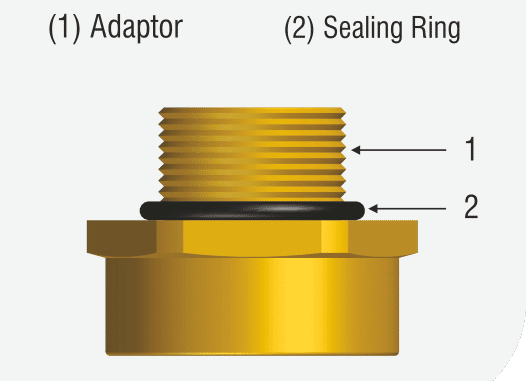
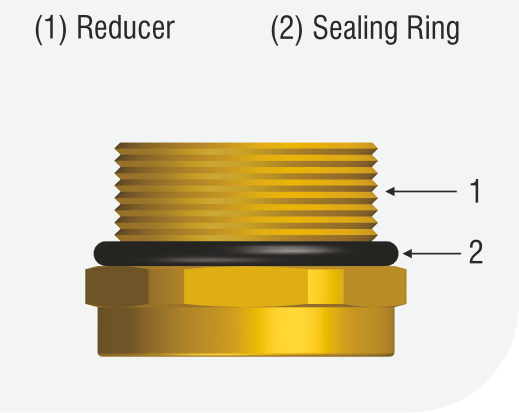
A: Reducers are used when you need to connect pipes of different diameters, ensuring a smooth transition and maintaining flow efficiency. Adaptors, on the other hand, are designed to enable connection between differing thread types or joining pipes to other components, such as valves or equipment, within ASTM, DIN, and ISO standards.Q: Where can these adaptors and reducers be applied?
A: These fittings are suitable for a wide range of applications including industrial piping systems, plumbing, chemical and water pipelines, gas and liquid transfer lines, irrigation setups, and cable management conduits. Their robust design and versatility make them reliable for both indoor and outdoor installations in industrial, commercial, and municipal settings.Q: What benefits do the surface treatments provide?
A: Surface treatments like nickel plating, galvanizing, and powder coating enhance corrosion resistance, extend product lifespan, and maintain a professional, clean finish. These finishes also contribute to the fittings' resistance against abrasion and impact, particularly important in harsh industrial environments.Q: How should adaptors and reducers be maintained for long-term performance?
A: With their easy-to-clean surfaces and robust construction, routine maintenance typically involves periodic inspection for signs of wear, debris removal, and simple cleaning with suitable solvents. Timely replacement is straightforward due to their standardized connections and user-friendly design.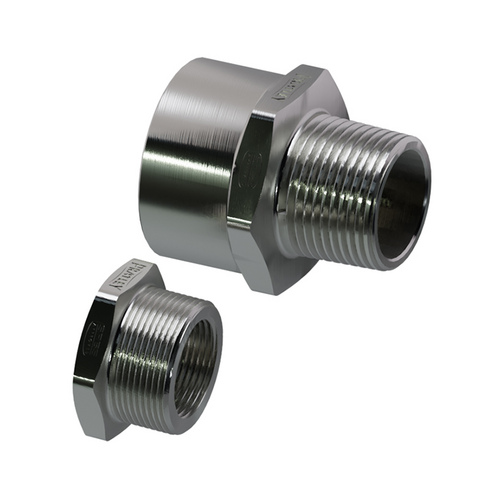
Tell us about your requirement

Price:
Quantity
Select Unit
- 50
- 100
- 200
- 250
- 500
- 1000+
Additional detail
Mobile number
Email

More Products in Brass Cable Gland Category
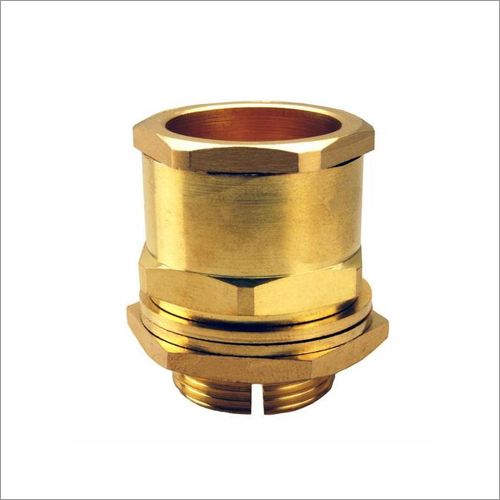
Brass CXT Cable Gland
Price 175 INR / Piece
Minimum Order Quantity : 500 Pieces
Color : Natural Brass Finish
Material : Highquality Brass
Rated Temperature : 20C to +90C
Size : Available from 16 mm to 90 mm (Metric) and corresponding Imperial sizes
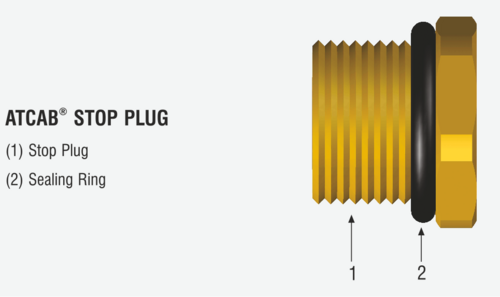
Stop Plugs
Price 50.00 INR / Piece
Minimum Order Quantity : 1000 Pieces
Color : Metallic / Grey / Black
Material : Nickel Plated Brass / Stainless Steel / Polyamide
Rated Temperature : 20 C to +80 C Planck temperature ()
Size : M16, M20, M25, M32, M40, M50, M63
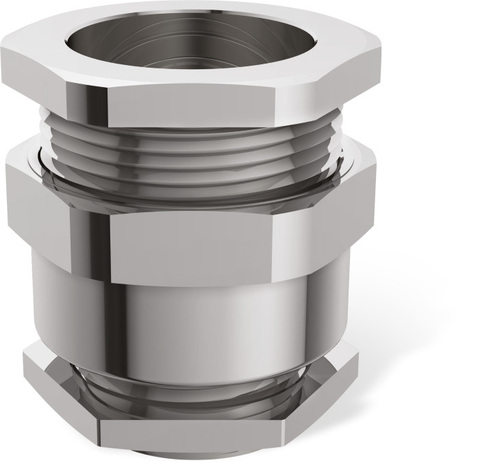
A2 Series Cable Gland Type A1-A2
Price 230.0 INR / Piece
Minimum Order Quantity : 500 Pieces
Color : Silver
Material : Brass
Rated Temperature : Standard Seals 20 to 80 Celsius (oC)
Size : Standard
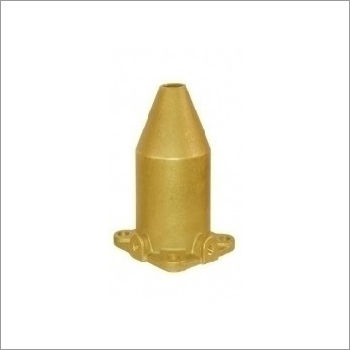
Brass Wiping Cable Gland
Price 600 INR / Piece
Minimum Order Quantity : 100 Pieces
Color : Golden
Material : Brass
Rated Temperature : 50 to 120 Celsius (oC)
Size : Standard

 Send Inquiry
 Send SMS
TURN AND FORGE METAL TEC
GST : 24AALFT0532B2ZO
GST : 24AALFT0532B2ZO

- Plot No. 4728, Phase-3, G.I.D.C., Dared,Jamnagar - 361004, Gujarat, India
- Mr. Dilip (Partner)
- Mobile : 07971258516
- Phone : 07971258516
- rathoddilipl@gmail.com
 Send Inquiry
TURN AND FORGE METAL TEC
All Rights Reserved.(Terms of Use)
Developed and Managed by Infocom Network Private Limited.
Developed and Managed by Infocom Network Private Limited.

